Delving into Business Laws in the UK Every Expat Should Know, this introduction immerses readers in a unique and compelling narrative, with refreshing subuh lecture style that is both engaging and thought-provoking from the very first sentence.
Understanding the legal landscape of the UK is crucial for expats venturing into business, as it sets the foundation for a successful and compliant operation. From legal structures to taxation laws, this overview provides a comprehensive guide to navigate the intricate world of business laws in the UK.
Overview of Business Laws in the UK
Understanding business laws in the UK is crucial for expats looking to establish or operate businesses in the country. These laws govern various aspects of business operations, from company formation to employment regulations, taxation, and intellectual property rights.
Key Differences in UK Business Laws
- Company Formation: The process of setting up a business in the UK involves specific legal requirements, such as registering with Companies House and appointing company directors.
- Employment Laws: UK employment laws provide strong protections for workers, including rights to minimum wage, paid leave, and protection against discrimination.
- Contractual Agreements: Contracts in the UK are legally binding documents that Artikel the terms and conditions of business agreements, with specific rules governing their enforcement.
Impact of UK Business Laws on Different Businesses
- Small Businesses: Small businesses in the UK must comply with regulations related to tax, employment, health and safety, and data protection, among others.
- Corporations: Large corporations operating in the UK are subject to complex regulations governing corporate governance, financial reporting, and competition law.
- Startups: Startups benefit from the UK’s robust legal framework for intellectual property protection and access to venture capital, but must navigate the regulatory landscape carefully.
Legal Structures for Businesses in the UK
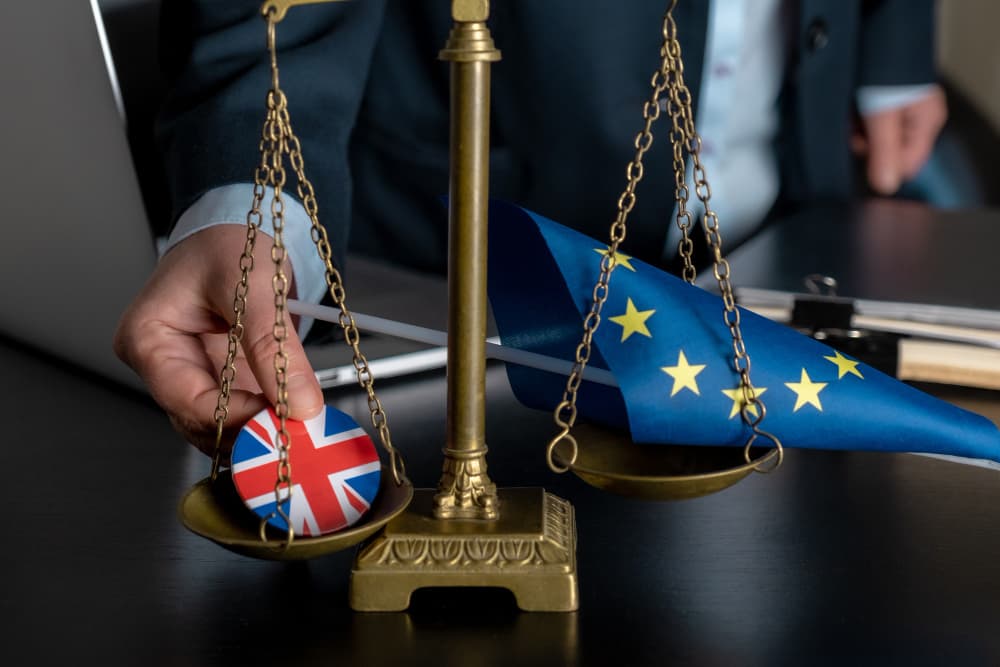
When establishing a business in the UK, it is crucial to understand the different legal structures available and their implications. Each legal structure comes with its own set of advantages and disadvantages, which can significantly impact the operations and liability of the business.
Here, we will explore the various legal structures in the UK and compare the requirements for setting up a sole trader, partnership, limited liability partnership, or limited company.
Sole Trader
- A sole trader is the simplest form of business structure, where the individual is the sole owner and has unlimited liability.
- Advantages include full control over the business decisions and profits, with minimal formalities required for set up.
- Disadvantages involve personal liability for debts and obligations of the business, potentially risking personal assets.
- Setting up as a sole trader involves registering with HM Revenue and Customs (HMRC) and keeping track of financial records for tax purposes.
Partnership
- A partnership involves two or more individuals sharing ownership and responsibility for the business.
- Advantages include shared decision-making and resources, as well as shared profits and losses.
- Disadvantages can include disagreements between partners and shared liability for business debts.
- Setting up a partnership requires a partnership agreement outlining roles, responsibilities, and profit-sharing arrangements.
Limited Liability Partnership (LLP)
- An LLP is a hybrid structure that combines elements of partnerships and limited companies, offering limited liability to its members.
- Advantages include limited liability for members, separate legal personality, and tax benefits.
- Disadvantages may involve more complex administration and compliance requirements compared to other structures.
- Setting up an LLP involves registering with Companies House, drafting an LLP agreement, and appointing designated members.
Limited Company
- A limited company is a separate legal entity from its owners, providing limited liability protection to shareholders.
- Advantages include limited liability, potential tax advantages, and credibility in the eyes of customers and suppliers.
- Disadvantages may include increased administrative responsibilities, compliance requirements, and public disclosure of financial information.
- Setting up a limited company involves registering with Companies House, appointing directors and shareholders, and adhering to company law regulations.
Employment Laws in the UK

Employment laws in the UK play a crucial role in regulating the relationship between employers and employees. These laws set out the rights and responsibilities of both parties to ensure fair treatment and a harmonious working environment.
Key Employment Laws in the UK
- The Equality Act 2010 prohibits discrimination in the workplace based on characteristics such as gender, race, age, disability, and religion.
- The National Minimum Wage Act 1998 sets the minimum wage that employers must pay their employees.
- The Employment Rights Act 1996 Artikels the rights of employees, including the right to a written contract, protection against unfair dismissal, and the right to statutory notice periods.
- The Health and Safety at Work Act 1974 requires employers to ensure the health, safety, and welfare of their employees in the workplace.
Rights and Responsibilities of Employers and Employees
- Employers have a duty to provide a safe working environment, pay the national minimum wage, and comply with anti-discrimination laws.
- Employees have the right to receive a written contract, be paid for their work, and not be unfairly dismissed.
- Both parties have a responsibility to adhere to the terms of the employment contract, act in good faith, and respect each other’s rights.
Differences in UK Employment Laws
- The UK has a statutory minimum wage, while some countries rely on collective bargaining agreements to set wages.
- UK employees are entitled to a minimum of 5.6 weeks paid holiday per year, which may differ from other countries’ holiday entitlements.
- UK employment laws offer protections against discrimination based on a wide range of characteristics, which may vary in other jurisdictions.
Taxation Laws in the UK

Taxation laws in the UK play a crucial role in shaping the financial landscape for businesses operating in the country. Understanding and complying with these laws is essential for businesses to avoid legal repercussions and financial penalties.
Types of Taxes in the UK, Business Laws in the UK Every Expat Should Know
Businesses in the UK are subject to various types of taxes, including:
- Corporate Tax: A tax on a company’s profits, which is currently set at 19% in the UK.
- Value Added Tax (VAT): A consumption tax levied on goods and services at each stage of production and distribution.
- Income Tax: Paid by individuals on their earnings, including self-employed individuals and partners in partnerships.
- National Insurance Contributions: Contributions made by employees and employers to fund state benefits.
Consequences of Non-Compliance
Non-compliance with UK tax laws can have serious consequences for businesses, including:
- Financial Penalties: Businesses may face hefty fines for failing to comply with tax laws.
- Legal Action: HM Revenue and Customs (HMRC) can take legal action against businesses that do not meet their tax obligations.
- Reputational Damage: Non-compliance can tarnish a business’s reputation and lead to loss of trust among stakeholders.
- Closure: In extreme cases, businesses could be forced to close down if they repeatedly fail to meet their tax obligations.
Intellectual Property Laws in the UK
Intellectual property laws in the UK play a crucial role in protecting businesses by granting exclusive rights to individuals or organizations over their creations or inventions. These laws aim to encourage innovation and creativity by providing legal mechanisms to safeguard intellectual property.
Types of Intellectual Property Rights
- Copyright: Protects original literary, artistic, musical, and dramatic works.
- Trademarks: Safeguard symbols, logos, words, or phrases used to identify goods or services.
- Patents: Grants exclusive rights to new inventions, processes, or products.
- Design Rights: Protects the visual appearance of products.
- Trade Secrets: Confidential information that provides a competitive advantage.
Registering and Enforcing Intellectual Property Rights
Registering intellectual property rights in the UK involves applying to the relevant authority, such as the Intellectual Property Office, to secure legal protection. Once registered, owners can take legal action against infringement.
Enforcing intellectual property rights may require legal proceedings, including court cases, to prevent unauthorized use or reproduction of protected works.
Ending Remarks: Business Laws In The UK Every Expat Should Know
As expats embark on their entrepreneurial journey in the UK, being well-versed in the country’s business laws is paramount. This overview equips them with the knowledge and insights needed to thrive in a competitive business environment while staying compliant with the legal framework.
Questions and Answers
What are the key differences between UK business laws and those of other countries?
UK business laws place a strong emphasis on corporate governance, data protection, and competition regulations, setting them apart from many other jurisdictions.
What legal structures are available for businesses in the UK?
Businesses in the UK can choose from legal structures such as sole trader, partnership, limited liability partnership, and limited company, each with its own advantages and disadvantages.
What are the main taxation laws that businesses need to comply with in the UK?
Businesses in the UK must adhere to taxation laws related to corporate tax, VAT, and other levies to ensure compliance and avoid penalties.
How do intellectual property laws in the UK protect businesses?
Intellectual property laws in the UK safeguard businesses by granting exclusive rights to their creations, inventions, and branding, preventing unauthorized use or reproduction.
