How to Register a Company in the UK as an Expat – Embark on the journey of registering a company in the UK as an expat with this detailed guide that covers all the essential steps and requirements. From research to choosing a business structure, this article will walk you through the process with clarity and precision.
Research and Planning

Researching and planning are crucial steps for expats looking to register a company in the UK. Understanding the legal requirements and planning ahead can save time, money, and potential complications in the registration process.
Researching Legal Obligations
To start, expats should research the legal obligations involved in registering a company in the UK. This includes understanding the different types of business structures available, such as sole trader, partnership, or limited company. Expats should also look into the specific requirements for foreign nationals wanting to establish a company in the UK, as these may vary based on residency status and visa type.
- Check the eligibility criteria for expats wanting to register a company in the UK.
- Research the documentation needed, such as proof of identity, address, and business details.
- Understand the tax implications and reporting requirements for expat-owned businesses.
Proper research can help expats navigate the complexities of company registration and ensure compliance with UK laws and regulations.
Planning Ahead
Before diving into the registration process, expats should take the time to plan ahead. This involves creating a detailed business plan outlining the company’s goals, target market, financial projections, and operational strategies. Planning ahead can help expats make informed decisions, set realistic expectations, and identify potential challenges early on.
- Develop a budget for registration fees, legal expenses, and initial operational costs.
- Consider seeking professional advice from accountants, lawyers, or business consultants.
- Map out a timeline for the registration process, taking into account any possible delays or setbacks.
By researching the legal obligations and planning ahead, expats can set themselves up for a smoother and more successful company registration process in the UK.
Understanding Legal Requirements
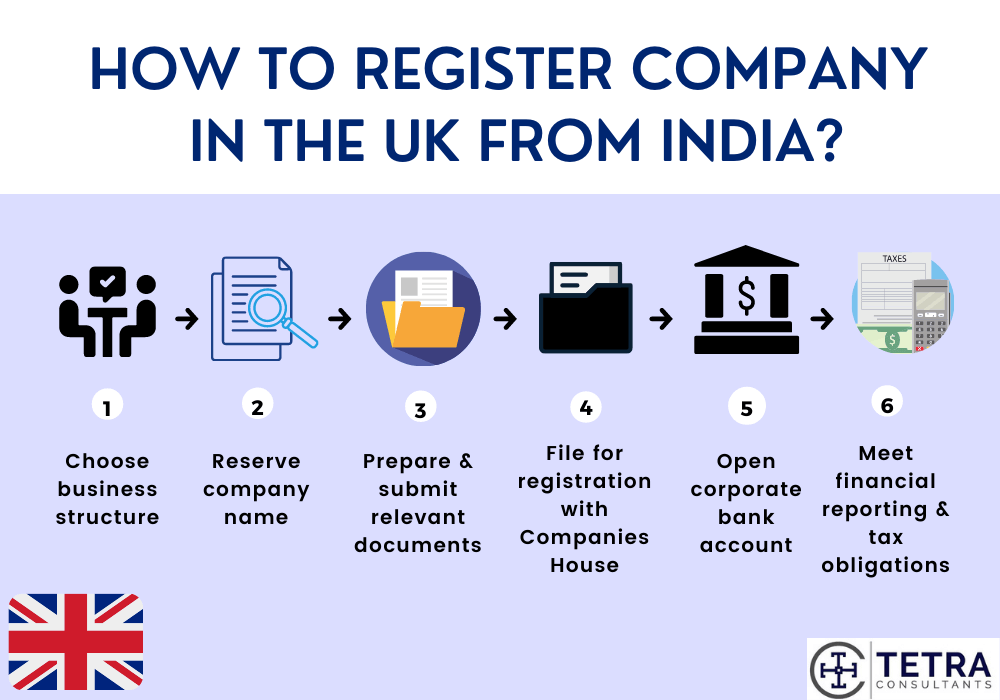
In order to register a company in the UK as an expat, there are specific legal requirements that must be met. These requirements may differ from those for UK residents, so it is important to understand the distinctions before beginning the registration process.
Legal Requirements for Expats
- Expats must have a valid visa or residency permit that allows them to conduct business in the UK.
- Proof of identification, such as a passport, is required for all directors and shareholders of the company.
- A physical UK address is needed for the company’s registered office, which can be a commercial address or the home address of a director.
- Expats may need to appoint a UK resident as a director or company secretary to meet legal requirements.
Additional Documentation and Permits
- Expats may need to provide proof of funds to support the company’s operations in the UK.
- Depending on the nature of the business, specific permits or licenses may be required before the company can legally operate in the UK.
- If the company will be hiring employees, expats must adhere to UK employment laws and regulations, including obtaining the necessary permits for foreign workers.
Choosing a Business Structure: How To Register A Company In The UK As An Expat
When registering a company in the UK as an expat, choosing the right business structure is crucial for the success and legal compliance of your venture. Each structure comes with its own set of implications and requirements, so it’s essential to understand the differences before making a decision.
Comparison of Different Business Structures
- Sole Trader:This structure is the simplest and most common choice for small businesses. As a sole trader, you are personally responsible for the business, including any debts.
- Limited Liability Partnership (LLP):An LLP offers the benefit of limited liability, meaning your personal assets are protected. It is a popular choice for professional services firms.
- Limited Company:A limited company is a separate legal entity from its owners, providing limited liability. It can be private (Ltd) or public (Plc).
Implications for Expats
- As an expat, your residency status can impact the type of business structure you can choose. Some structures may have residency requirements.
- Consider the tax implications of each structure, as expats may have different tax obligations based on their residency status and the type of business they operate.
Common Business Structures for Expats
- Sole Trader:A popular choice for expats starting small businesses or freelancing in the UK due to its simplicity and low administrative requirements.
- Limited Company:Many expats opt for a limited company to benefit from limited liability and separate legal entity status, especially for larger ventures.
Completing Registration Forms
When it comes to registering a company in the UK as an expat, completing registration forms is a crucial step in the process. This is where you provide all the necessary information about your business to the authorities. It’s essential to fill out these forms accurately and efficiently to avoid any delays or complications in the registration process.
Step-by-Step Process of Completing Registration Forms
- Start by gathering all the required documents and information, such as your business name, address, directors’ details, share capital, and business activities.
- Fill out the registration forms online or on paper, following the instructions provided by the Companies House or relevant authorities.
- Provide accurate and up-to-date information to ensure smooth processing of your registration.
- Double-check all the information before submission to avoid any errors or discrepancies.
Tips for Filling Out Registration Forms
- Read the instructions carefully before filling out the forms to understand the requirements.
- Use clear and concise language when providing information to avoid misunderstandings.
- Ensure consistency in the information provided across all sections of the form.
- Seek assistance from a professional if you are unsure about any specific details or requirements.
Importance of Double-Checking Information
- Double-checking the information before submission is crucial to avoid delays in the registration process.
- Errors or discrepancies in the information provided can lead to rejections or additional requests for clarification.
- Ensuring accuracy in the registration forms reflects your commitment to compliance and professionalism.
- Take the time to review all the details to maintain the integrity of your company registration.
Seeking Professional Help
In the intricate process of registering a company in the UK as an expat, seeking professional help can be a wise decision. Legal or financial experts can provide valuable guidance and ensure that all necessary steps are completed accurately and efficiently.
Benefits of Professional Assistance
- Professional expertise: Legal and financial professionals have in-depth knowledge of the registration process and can navigate complex legal requirements.
- Time-saving: By entrusting experts with the registration process, expats can save time and focus on other aspects of setting up their business.
- Compliance assurance: Professionals can help ensure that all legal requirements are met, reducing the risk of errors or oversights that could lead to complications later on.
Finding Reliable Professionals
- Referrals: Seek recommendations from fellow expats, business associates, or online forums to find reputable professionals experienced in expat registrations.
- Online research: Utilize online resources to read reviews, check credentials, and verify the expertise of legal or financial professionals before engaging their services.
- Consultation meetings: Arrange initial consultations with potential professionals to assess their knowledge, communication style, and compatibility with your needs.
Working Effectively with Professionals, How to Register a Company in the UK as an Expat
- Clear communication: Clearly communicate your requirements, expectations, and timeline to professionals to ensure a smooth registration process.
- Regular updates: Stay in touch with the professionals regularly to track the progress of the registration and address any concerns or questions that may arise.
- Documentation review: Thoroughly review all documents prepared by the professionals to verify accuracy and compliance with your business objectives.
Final Review
In conclusion, registering a company in the UK as an expat may seem daunting, but with the right knowledge and preparation, it can be a smooth and successful endeavor. Armed with this information, you are now equipped to take the necessary steps towards establishing your business in the UK.
FAQ Compilation
What legal requirements do expats need to consider when registering a company in the UK?
Expats need to research visa requirements, tax implications, and any specific regulations for foreign-owned businesses.
Is professional help necessary for expats registering a company in the UK?
While not mandatory, seeking assistance from legal or financial professionals can streamline the process and ensure compliance with all regulations.
