Kicking off with How to Write a Business Plan for a UK Startup, embark on a journey of strategic planning and innovation in the bustling landscape of UK startups. Unveil the secrets to creating a solid foundation for your entrepreneurial dreams.
Delve into the intricacies of market research, goal-setting, marketing strategies, and financial planning that pave the way for sustainable growth and prosperity in the competitive UK market.
Understand the Basics of a Business Plan

A business plan is a strategic document that Artikels the goals, objectives, and strategies of a business. It is crucial for startups as it serves as a roadmap for the company’s success and helps attract investors, secure loans, and guide business operations.
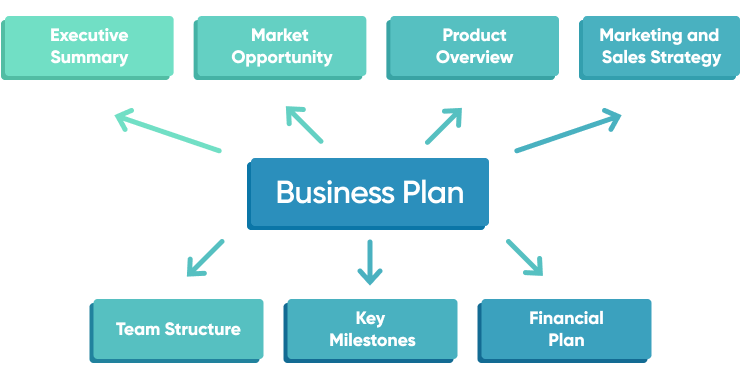
Key Components of a Business Plan
- Executive Summary:This section provides a brief overview of the business, including its mission, vision, and key highlights.
- Company Description:Here, you describe the nature of your business, target market, and competitive advantage.
- Market Analysis:This section involves researching and analyzing the target market, industry trends, and competitors.
- Organizational Structure:Artikel the management team and organizational structure of the company.
- Products or Services:Detail the products or services offered, their unique selling points, and pricing strategies.
- Marketing and Sales Strategy:Explain how you plan to market and sell your products/services to reach your target customers.
- Financial Projections:Include financial forecasts, such as revenue projections, cash flow statements, and break-even analysis.
Examples of Successful UK Startup Business Plans
Some successful UK startup business plans that have gained recognition include:
- Monzo: A digital bank startup that revolutionized the banking industry by focusing on user-friendly mobile banking services.
- Deliveroo: An online food delivery platform that connects customers with local restaurants, offering convenient meal delivery options.
- BrewDog: A craft beer company that disrupted the traditional beer market with its unique brews and innovative marketing strategies.
Conduct Market Research
Market research is a crucial step in the business planning process for a UK startup. It involves gathering information about the market, customers, competitors, and industry trends to make informed decisions. Here’s how you can conduct market research effectively for your UK startup:
Process of Conducting Market Research
- Identify your target market: Define the specific group of customers you want to target with your products or services.
- Collect data: Gather information through surveys, interviews, focus groups, and online research to understand customer preferences, buying habits, and market trends.
- Analyze the data: Use analytical tools and techniques to interpret the data and extract valuable insights that can guide your business decisions.
- Assess the competition: Study your competitors to identify their strengths, weaknesses, and market positioning to differentiate your business effectively.
- Stay updated: Continuously monitor market changes, consumer behavior, and industry developments to adapt your strategies accordingly.
Tools and Resources for Market Research in the UK
- Government sources: Utilize resources like the Office for National Statistics (ONS) and the Department for Business, Energy & Industrial Strategy for valuable market data.
- Market research firms: Consider hiring professional market research firms that offer tailored solutions for your specific needs.
- Online surveys: Use platforms like SurveyMonkey or Google Forms to conduct surveys and gather feedback from your target audience.
- Social media analytics: Analyze social media platforms to understand customer sentiments, preferences, and engagement levels.
Influence of Market Research Findings on the Business Plan
Market research findings play a significant role in shaping your business plan by providing key insights that can impact various aspects of your startup, such as:
- Identifying target market segments and understanding customer needs and preferences.
- Evaluating market demand and competition to develop competitive pricing strategies.
- Guiding product development and marketing efforts based on consumer feedback and market trends.
- Forecasting sales projections and setting realistic goals for business growth.
Define Your Business Goals and Objectives

Setting clear goals and objectives in a business plan is crucial for guiding the direction of a UK startup and ensuring its success. These goals act as a roadmap, providing a sense of purpose and direction for the business. They help in defining what the company wants to achieve and how it plans to get there.
Aligning Goals with Market Needs in the UK
- Conduct thorough market research to understand the needs and preferences of the target market in the UK.
- Identify gaps or opportunities in the market that your business can address.
- Align your business goals with the demands and trends in the UK market to ensure relevance and competitiveness.
- Regularly review and adapt your goals based on market feedback and changes to stay agile and responsive.
Creating SMART Goals for a UK Startup
- Specific:Clearly define what you want to achieve with your business goals. For example, increasing sales by a certain percentage or expanding into a new market segment.
- Measurable:Set quantifiable metrics to track the progress towards your goals. This could be revenue targets, customer acquisition numbers, or market share growth.
- Achievable:Ensure that your goals are realistic and attainable within the resources and timeframe available to your startup.
- Relevant:Align your goals with the overall vision and mission of your startup, ensuring they contribute to its long-term success.
- Time-bound:Establish clear deadlines or milestones for achieving each goal to create a sense of urgency and accountability.
Develop a Marketing Strategy
Developing a marketing strategy is essential for a UK startup to effectively reach its target audience and stand out in a competitive market. By creating a well-thought-out plan, startups can maximize their resources and attract potential customers. Here are the steps to create an effective marketing strategy for a UK startup:
Identify Your Target Audience
- Conduct thorough market research to understand the demographics, preferences, and behaviors of your target audience in the UK.
- Create buyer personas to represent different segments of your target market and tailor your marketing efforts accordingly.
- Identify where your target audience spends their time online and offline to effectively reach them through various channels.
Conduct Competitive Analysis
- Research and analyze your competitors in the UK market to identify their strengths, weaknesses, and strategies.
- Identify gaps in the market that your startup can fill and differentiate your offerings from competitors.
- Use competitive analysis to refine your unique selling proposition (USP) and position your brand effectively in the market.
Examples of Successful Marketing Strategies by UK Startups
- Monzo:The digital bank utilized social media platforms to engage with a younger audience and build a community around their brand.
- Gymshark:The fitness apparel brand leveraged influencer marketing and user-generated content to create a strong brand presence on social media.
- Deliveroo:The food delivery service focused on partnering with popular restaurants and offering promotions to attract new customers in a competitive market.
Financial Planning and Projections
Starting a business in the UK requires careful financial planning and realistic projections to ensure the success and sustainability of your startup. In this section, we will delve into the key financial aspects to consider, how to create accurate financial projections, and explore funding opportunities available for UK startups.
Key Financial Aspects
- Startup Costs: Identify and calculate all the expenses required to launch your business, including equipment, supplies, rent, licenses, and initial marketing expenses.
- Revenue Projections: Estimate your potential sales and income over the first few years of operation based on market research and industry trends.
- Operating Expenses: Determine your ongoing costs such as rent, utilities, salaries, and other overhead expenses to maintain your business.
Creating Realistic Financial Projections, How to Write a Business Plan for a UK Startup
- Utilize Financial Software: Consider using tools like accounting software to track your finances accurately and create detailed projections.
- Market Research: Base your projections on thorough market research to understand your target audience, competition, and industry trends.
- Be Conservative: It’s better to underestimate your revenue and overestimate your expenses to prepare for unexpected challenges or fluctuations in the market.
Obtaining Funding and Investment Opportunities
- Bank Loans: Explore traditional bank loans as a source of funding, ensuring you have a solid business plan and financial projections to present to lenders.
- Government Grants: Research available grants and funding programs offered by the UK government to support small businesses in various industries.
- Venture Capital: Consider seeking investment from venture capital firms or angel investors who are interested in supporting innovative startups with high growth potential.
Closure
As we reach the end of this enlightening discourse, remember that a well-crafted business plan is not just a document but a roadmap to success. Embrace the challenges, stay agile, and let your vision guide you towards a thriving UK startup venture.
FAQ Compilation: How To Write A Business Plan For A UK Startup
How detailed should my financial projections be?
Your financial projections should be detailed enough to provide a clear picture of your startup’s financial health and future growth potential. Include realistic estimates based on thorough research and analysis.
Do I need to hire a professional to help me write my business plan?
While it’s not mandatory, seeking assistance from a business consultant or accountant can provide valuable insights and ensure that your business plan meets industry standards and requirements.
How important is market research for a UK startup business plan?
Market research is crucial for understanding the competitive landscape, identifying target audiences, and making informed business decisions. It forms the foundation for a successful UK startup business plan.
