Legal Steps to Open a Business in the UK as a Non-Resident sets the stage for this enthralling narrative, offering readers a glimpse into a story that is rich in detail and brimming with originality from the outset. The complexities of establishing a business in a foreign land are amplified when legal requirements, business structures, registration processes, and tax obligations are involved.
This guide delves deep into the intricacies of navigating these challenges as a non-resident entrepreneur in the UK.
Legal Requirements for Non-Residents Opening a Business in the UK
Opening a business in the UK as a non-resident involves specific legal requirements to ensure compliance with the country’s regulations. Non-residents must follow certain steps and provide necessary documentation to establish their business successfully.
Necessary Legal Steps
- Choose a Business Structure: Non-residents can opt for structures like sole trader, partnership, or limited company.
- Register Your Business: Non-residents need to register their business with the Companies House or other relevant authorities.
- Obtain Necessary Permits and Licenses: Depending on the nature of the business, non-residents may need specific permits or licenses to operate legally.
- Open a Business Bank Account: Separate personal and business finances by opening a business bank account in the UK.
- Comply with Tax Obligations: Non-residents must meet UK tax requirements and consider VAT registration if applicable.
Required Documentation
- Proof of Identity: Non-residents need to provide valid identification documents such as a passport or national ID card.
- Proof of Address: Documents like utility bills or bank statements can serve as proof of address for non-residents.
- Business Plan: A comprehensive business plan outlining the nature of the business, target market, and financial projections is essential.
- Memorandum of Association: For limited companies, a Memorandum of Association detailing the company’s structure and objectives is required.
Residency or Citizenship Requirements
Non-residents opening a business in the UK do not need to be UK residents or citizens. However, they must fulfill certain requirements, such as obtaining the necessary visas or permits to work and reside in the country legally. It is crucial to adhere to immigration laws and regulations to ensure compliance while operating a business in the UK.
Types of Business Structures Available for Non-Residents in the UK
When setting up a business in the UK as a non-resident, it is essential to consider the different business structures available to determine the most suitable option based on your business goals and circumstances.Sole Proprietorship:
Sole Proprietorship
- Advantages:
- Simple and easy to set up with minimal paperwork and regulatory requirements.
- Complete control and decision-making power over the business.
- Disadvantages:
- Unlimited personal liability, meaning personal assets are at risk in case of business debts or legal issues.
- Limited opportunities for raising capital compared to other business structures.
Partnership:
Partnership
- Advantages:
- Shared financial burden and responsibilities among partners.
- Pooling of resources, skills, and expertise from multiple partners.
- Disadvantages:
- Each partner is personally liable for the partnership’s debts and obligations.
- Potential for disagreements and conflicts among partners leading to business disruptions.
Limited Company:
Limited Company, Legal Steps to Open a Business in the UK as a Non-Resident
- Advantages:
- Limited liability protection, where the company is a separate legal entity from its owners.
- Potential tax advantages and opportunities for raising capital through shares.
- Disadvantages:
- More complex setup and ongoing compliance requirements compared to sole proprietorship and partnership.
- Greater regulatory scrutiny and reporting obligations.
Registering a Business as a Non-Resident in the UK
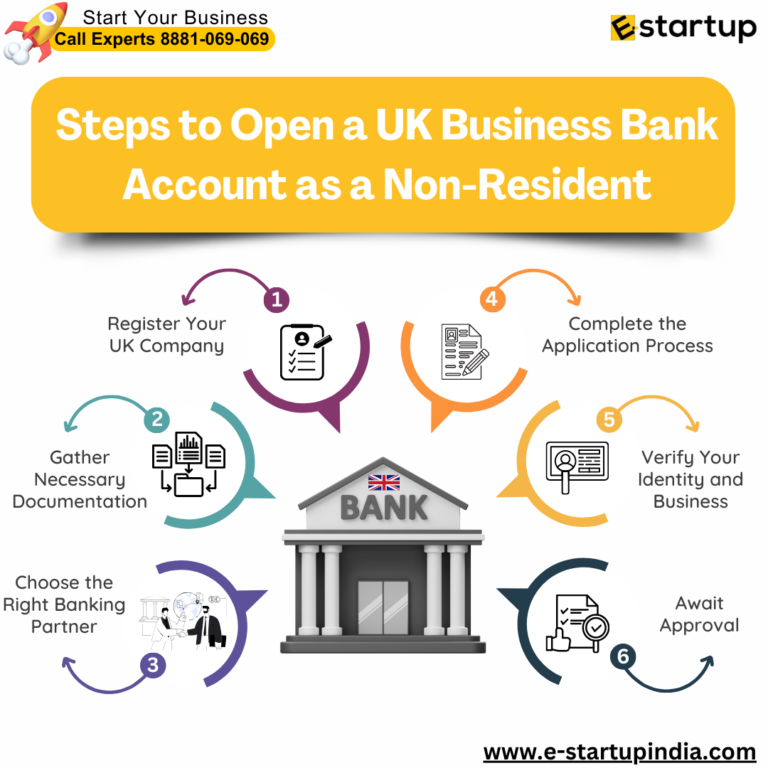
When starting a business in the UK as a non-resident, it is essential to understand the process of registering your business with the Companies House and the implications of VAT registration.
Registering with the Companies House
- As a non-resident looking to start a business in the UK, you will need to register your company with the Companies House. This can typically be done online, making the process convenient and accessible.
- During the registration process, you will need to provide details such as the company name, registered office address, details of directors and shareholders, and the nature of the business.
- Once your company is registered, you will receive a Certificate of Incorporation, confirming the legal existence of your business entity in the UK.
Timeline and Costs
- The timeline for registering a business in the UK can vary but is typically around 24-48 hours for online registrations. However, this can be longer if additional documentation is required.
- The costs associated with registering a business in the UK as a non-resident will depend on the type of business structure chosen and any additional services required. The basic registration fee starts from £12.
Implications of VAT Registration
- As a non-resident business owner in the UK, you may need to register for VAT if your taxable turnover exceeds the current threshold. This threshold is £85,000 (as of 2021) but may change annually, so it is essential to stay updated on the latest requirements.
- VAT registration allows your business to charge and reclaim VAT on goods and services, which can impact pricing and cash flow. It is crucial to understand the implications of VAT registration to ensure compliance with UK tax regulations.
Tax Obligations for Non-Residents Owning a Business in the UK

When operating a business in the UK as a non-resident, it is essential to understand the tax obligations that come with it. Non-residents are subject to certain tax laws and regulations in the UK, and compliance is crucial to avoid any penalties or legal issues.
Understanding UK Tax Laws for Non-Residents
Non-resident business owners in the UK are typically required to pay taxes on income generated within the country. This includes income from business activities, investments, or property located in the UK. Understanding the specific tax laws and rates applicable to non-residents is essential to ensure compliance with the UK tax system.
- Non-residents may be subject to income tax on profits derived from UK business activities.
- Non-residents may also need to pay Value Added Tax (VAT) if their business turnover exceeds the VAT registration threshold.
- Capital gains tax may apply to non-residents on gains from the disposal of UK assets.
Compliance with UK Tax Laws
To comply with UK tax laws and regulations as a non-resident business owner, it is crucial to keep accurate financial records and file taxes on time. Hiring a professional accountant or tax advisor who is familiar with UK tax laws can help ensure compliance and avoid any potential issues with HM Revenue & Customs (HMRC).
- Ensure proper record-keeping of all income, expenses, and transactions related to your business in the UK.
- File annual tax returns with HMRC, providing accurate information on your business activities and income.
- Consider registering for the Making Tax Digital (MTD) initiative to manage your taxes digitally and stay compliant with HMRC requirements.
Failure to comply with UK tax laws as a non-resident business owner can result in penalties, fines, or even legal action by HMRC.
Final Review

Navigating the legal landscape of opening a business in the UK as a non-resident is a complex yet rewarding journey. By understanding the legal steps, business structures, registration procedures, and tax obligations, non-resident entrepreneurs can pave the way for a successful venture in a foreign market.
Armed with this knowledge, aspiring business owners can confidently embark on their entrepreneurial endeavors in the UK.
Query Resolution: Legal Steps To Open A Business In The UK As A Non-Resident
What specific documentation is required for non-residents to open a business in the UK?
Non-residents typically need to provide proof of identity, proof of address, business plan, and any necessary visas or permits.
What are the implications of VAT registration for non-resident business owners in the UK?
VAT registration may be required if the business’s taxable turnover exceeds the threshold set by HM Revenue and Customs.
How can non-residents comply with UK tax laws and regulations?
Non-residents can seek guidance from tax advisors, keep detailed financial records, and file taxes accurately and on time to comply with UK tax laws.
