From Expat to Entrepreneur: Starting a Business in the UK sets the stage for an exciting journey into the world of business ownership in a new country, offering insights and guidance for aspiring entrepreneurs looking to make their mark.
Embark on this adventure as we delve into the essential steps and considerations for launching a successful business in the UK as an expat.
Research and Planning: From Expat To Entrepreneur: Starting A Business In The UK
Starting a business in the UK requires thorough research and careful planning to increase the likelihood of success. Market research is a crucial step that provides valuable insights into customer needs, competitor analysis, and market trends. Understanding the legal requirements for setting up a business in the UK is also essential to ensure compliance and avoid any legal issues.
Importance of Market Research
Market research helps entrepreneurs identify their target audience, understand their preferences, and tailor their products or services to meet market demands. By analyzing competitors and market trends, businesses can identify gaps in the market and position themselves strategically to gain a competitive advantage.
- Identify target audience and market demand
- Analyze competitor strengths and weaknesses
- Identify market trends and opportunities
Key Factors for Planning a Business in the UK
When planning to start a business in the UK, entrepreneurs should consider factors such as business structure, funding options, location, and marketing strategies. Developing a comprehensive business plan that Artikels goals, strategies, and financial projections is crucial for guiding the business towards success.
- Choose the appropriate business structure (sole trader, partnership, limited company)
- Secure funding through loans, grants, or investors
- Select a suitable location for the business operations
- Develop a marketing plan to reach target customers
Understanding Legal Requirements in the UK
Complying with legal requirements is vital for ensuring the legitimacy of a business in the UK. Entrepreneurs must register their business with the appropriate authorities, obtain necessary licenses and permits, and adhere to tax regulations. Understanding employment laws and data protection regulations is also crucial for maintaining a legal and ethical business operation.
Failure to comply with legal requirements can lead to fines, penalties, or even closure of the business.
Choosing a Business Structure
When starting a business in the UK, one of the crucial decisions you’ll need to make is choosing the right business structure. The structure you choose will have significant implications on various aspects of your business, including taxes and liabilities.
It’s essential to understand the options available and select the most suitable structure based on your individual circumstances.
Sole Trader
- Simplest form of business structure where you are the sole owner and responsible for all aspects of the business.
- Personal liability for debts and obligations of the business.
- Profits are taxed as part of your personal income.
Partnership
- Business owned and operated by two or more individuals.
- Partners share profits, losses, and responsibilities according to the partnership agreement.
- Each partner is personally liable for the debts and obligations of the business.
Limited Company
- Separate legal entity from its owners, providing limited liability protection.
- Profits are taxed at the corporate tax rate, and dividends are taxed at the individual level.
- More complex in terms of compliance and reporting requirements compared to sole trader or partnership.
Funding and Financing
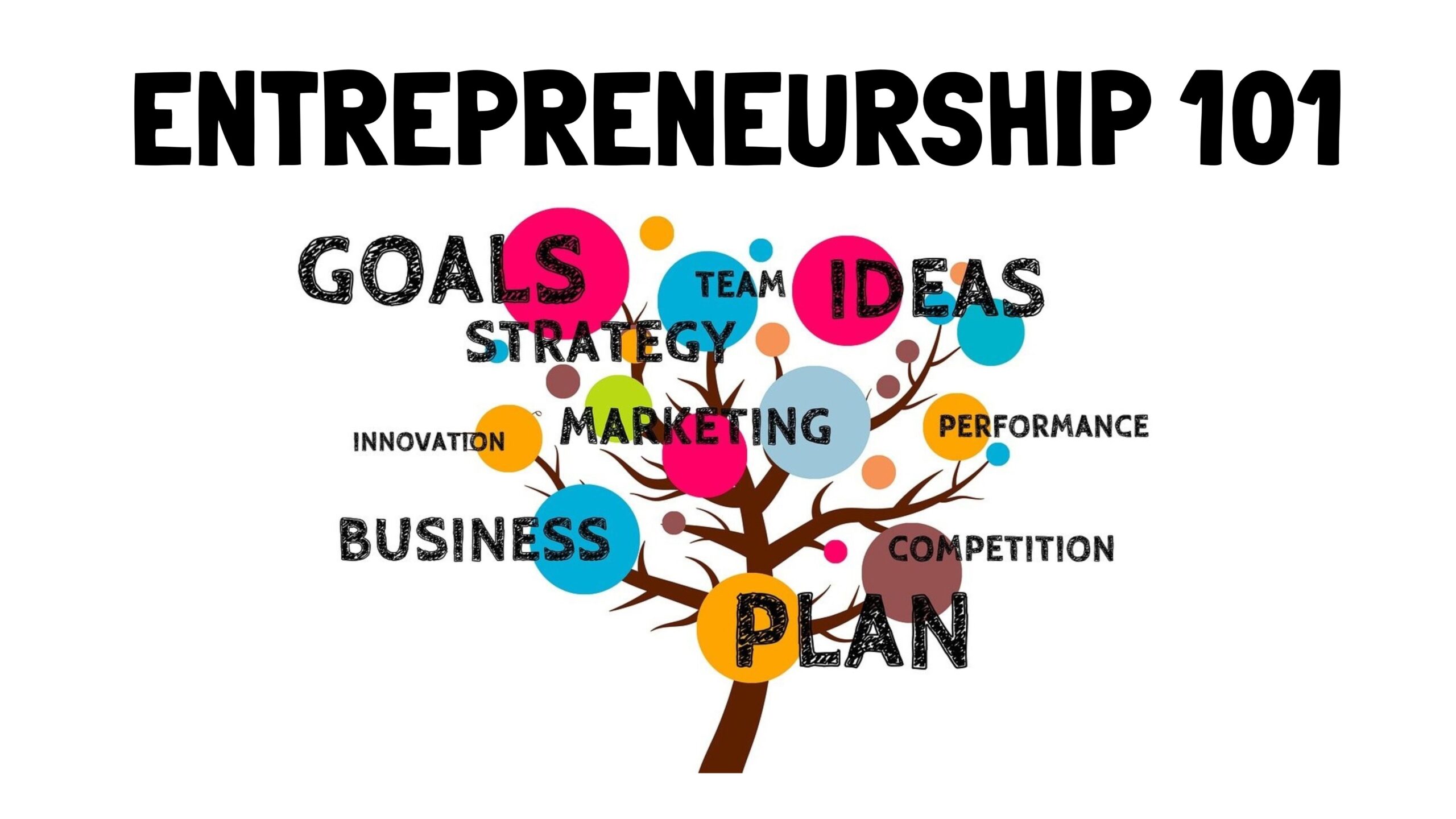
When starting a business in the UK as an expat, one of the crucial aspects to consider is funding and financing. Securing the necessary funds to kickstart your venture and sustain its growth is essential for long-term success.
Strategies for Funding a Business
- Personal Savings: Using your own savings to fund your business is a common approach. It demonstrates commitment and reduces the need for external financing.
- Loans: Banks and financial institutions offer various loan options for entrepreneurs. Ensure you have a solid business plan to increase your chances of approval.
- Investors: Seeking investment from angel investors or venture capitalists can provide the capital needed to scale your business quickly.
- Crowdfunding: Platforms like Kickstarter or Indiegogo allow you to raise funds from a large number of people who believe in your business idea.
Options for Financing a Startup
- Government Grants: Explore grants and funding opportunities provided by the UK government to support small businesses in specific sectors.
- Business Accelerators: Joining a business accelerator program can provide funding, mentorship, and networking opportunities to help your startup grow rapidly.
- Bootstrapping: Self-funding your business by reinvesting profits back into the company can be a sustainable way to finance your operations.
- Peer-to-Peer Lending: Platforms like Funding Circle offer peer-to-peer lending options for businesses looking for alternative financing sources.
Importance of a Solid Financial Plan
Creating a comprehensive financial plan is crucial for the success of your business. It helps you manage cash flow, track expenses, and make informed decisions about investments and growth opportunities. A solid financial plan also demonstrates to potential investors or lenders that you have a clear roadmap for financial sustainability.
Marketing and Branding

Marketing and branding are essential components of any successful business, especially when starting a new venture in the UK. Effective marketing strategies help reach a target audience, while branding creates a unique identity that sets your business apart from competitors.
Effective Marketing Strategies, From Expat to Entrepreneur: Starting a Business in the UK
- Utilize social media platforms like Facebook, Instagram, and Twitter to engage with potential customers and build brand awareness.
- Invest in search engine optimization () to improve your website’s visibility and attract organic traffic.
- Collaborate with influencers or bloggers to reach a wider audience and increase credibility.
- Host promotional events or contests to create buzz around your brand and attract new customers.
Importance of Branding and USP
Branding is crucial for establishing a strong identity and building customer loyalty. By creating a unique selling proposition (USP), you can differentiate your business from competitors and attract your target market. A compelling USP highlights what makes your product or service special and why customers should choose you over others.
Examples of Successful Marketing Campaigns in the UK
- Greggs – “Vegan Sausage Roll” Campaign: Greggs capitalized on the growing trend of veganism by launching a vegan sausage roll, creating a buzz on social media and attracting new customers.
- BrewDog – Equity for Punks: BrewDog’s innovative crowdfunding campaign allowed customers to invest in the company and become “punk shareholders,” fostering a strong community and brand loyalty.
- Monzo – “Bank of the Future” Campaign: Monzo disrupted the traditional banking industry with its user-friendly app and transparent approach, attracting tech-savvy customers through social media and word-of-mouth marketing.
Dealing with Cultural Differences

When starting a business in the UK as an expat, it’s crucial to understand and navigate the cultural differences that may impact the way you run your business. Cultural nuances can play a significant role in how you communicate, build relationships, and conduct business in the UK.
Navigating Cultural Nuances
- Understand the British business etiquette: Familiarize yourself with the norms of communication, meetings, and networking in the UK. Politeness, punctuality, and professionalism are highly valued.
- Adapt your communication style: Be mindful of the tone, language, and non-verbal cues you use when interacting with local customers and partners. Clear and concise communication is key.
- Respect hierarchy and authority: In the UK, hierarchy plays a role in business interactions. Show respect for seniority and authority within organizations.
- Embrace diversity: The UK is a multicultural society, so be open to working with people from different backgrounds and perspectives. Embrace diversity in your business practices.
Building Relationships
- Networking is key: Attend industry events, conferences, and business gatherings to connect with local professionals and expand your network.
- Show genuine interest: Take the time to get to know your customers and partners on a personal level. Building relationships based on trust and mutual respect is essential.
- Be adaptable: Be willing to adjust your business strategies and approaches based on feedback and cultural insights from your interactions with local stakeholders.
Last Recap
As we conclude our exploration of transitioning from an expat to an entrepreneur in the UK, remember that with the right research, planning, funding, marketing strategies, and cultural awareness, your business venture can thrive in this vibrant market.
Popular Questions
What is the importance of market research before starting a business?
Market research helps you understand your target audience, competition, and market trends, allowing you to make informed decisions for your business.
How do cultural differences impact running a business in the UK as an expat?
Cultural differences can affect communication, business etiquette, and customer preferences. It’s essential to adapt and respect cultural nuances to succeed.
What are the funding options available for expats starting a business in the UK?
Expat entrepreneurs can explore bank loans, angel investors, venture capital, crowdfunding, or government grants to finance their startup.
How can I effectively market my business to a target audience in the UK?
Utilize digital marketing, social media platforms, strategies, and partnerships to reach and engage with your desired customer base effectively.
