Starting with UK Company Registration Process for Foreigners, embark on a journey through the intricacies of setting up a business in the UK as a foreign entity.
Delve into the steps, requirements, and legal aspects surrounding company registration, unraveling the path towards establishing a successful venture in the UK.
Overview of UK Company Registration Process for Foreigners
Registering a company in the UK as a foreigner involves several key steps and requirements, all governed by specific legal frameworks.
General Steps for Registering a Company in the UK
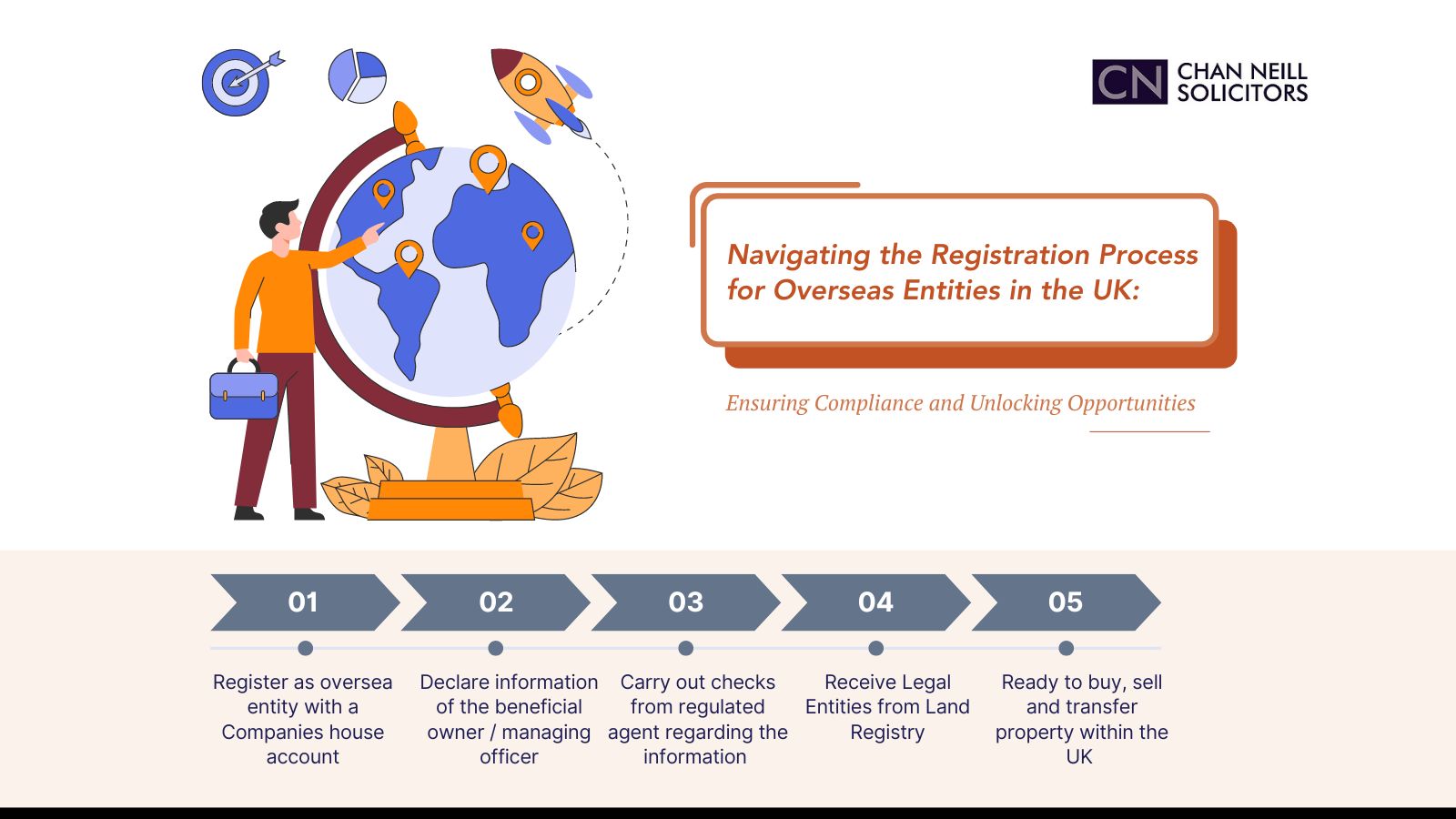
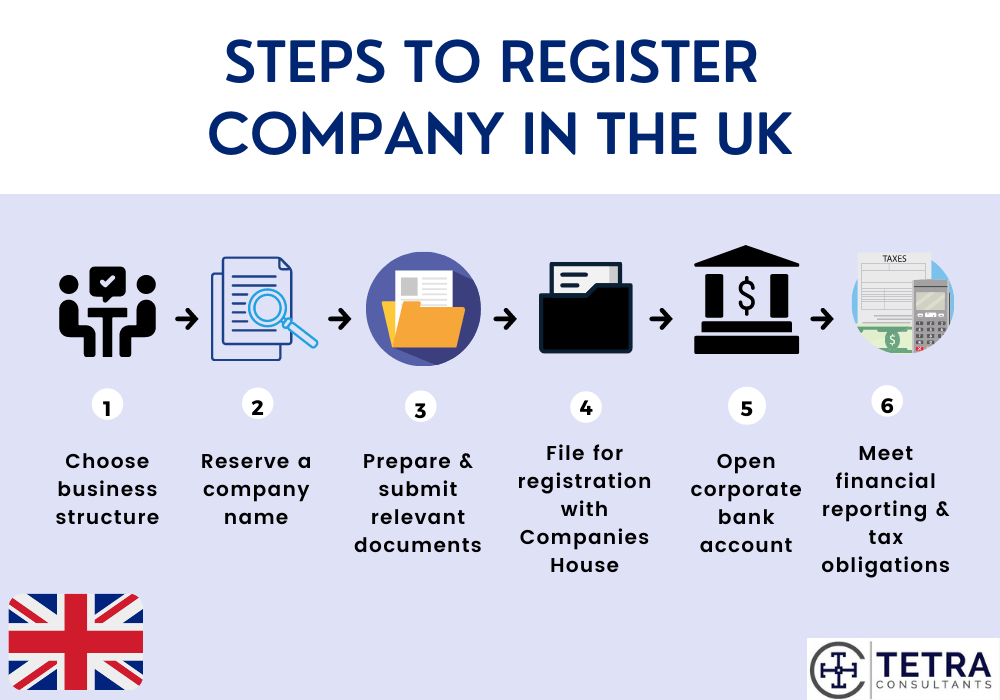
When registering a company in the UK as a foreigner, the general steps typically include:
- Choose a company name and structure
- Appoint directors and shareholders
- Register the company with Companies House
- Open a business bank account
- Comply with UK tax regulations
Key Requirements for Foreign Individuals or Entities
Foreign individuals or entities looking to register a company in the UK must meet certain requirements, such as:
- Provide a registered office address in the UK
- Have at least one director who is a natural person (not a corporate entity)
- Submit the necessary documents and information to Companies House
Legal Framework Governing Company Registration for Foreigners, UK Company Registration Process for Foreigners
Company registration for foreigners in the UK is governed by laws and regulations set forth by Companies House and other relevant authorities. It is important to ensure compliance with these legal frameworks to successfully register and operate a company in the UK.
Choosing a Business Structure
When registering a company in the UK as a foreigner, it is crucial to carefully consider the business structure you choose. Each structure comes with its own set of benefits and limitations, so it’s important to understand the differences to make an informed decision.
Types of Business Structures
- Limited Liability Company (LLC): A popular choice for many foreigners due to limited personal liability and separate legal entity status.
- Partnership: Allows for shared ownership and management responsibilities among partners.
- Sole Trader: Simplest form of business structure where the individual is personally liable for all business debts.
- Branch Office: An extension of the foreign parent company, operating in the UK market.
Benefits and Limitations
- LLC:Provides limited liability protection, separate legal entity status, and easier access to funding. However, it requires more administrative responsibilities and higher setup costs.
- Partnership:Allows for shared decision-making and resources, but partners have unlimited liability for business debts.
- Sole Trader:Easy to set up and run, with complete control over the business. However, the individual is personally liable for all business obligations.
- Branch Office:Benefits from the reputation and resources of the parent company, but has limited autonomy and is subject to regulations of both the UK and parent country.
Popular Choices for Foreigners
- Many foreigners opt for setting up an LLC in the UK due to the added protection and credibility it offers.
- Some choose to establish a branch office to leverage the resources and reputation of their existing foreign company.
- Partnerships are also common among foreigners looking to share responsibilities and risks with business partners.
Required Documentation
When registering a company in the UK as a foreigner, there are specific documents that you will need to provide. These documents are crucial for the registration process and ensure that everything is in order according to the laws and regulations of the UK.
Passport and Identification
- Your valid passport with at least six months left before expiration.
- Proof of identification such as a national ID card.
- These documents are essential to confirm your identity as a foreigner looking to register a company in the UK.
Proof of Address
- A recent utility bill or bank statement showing your current address.
- This document is necessary to verify your residential address in the UK.
Business Address
- Proof of a physical business address in the UK where your company will be located.
- This address will be used for official correspondence and must be a valid UK address.
Company Name and Business Activities
- A proposed company name that is unique and not already in use.
- A detailed description of the business activities that your company will be engaged in.
- These documents are crucial for the registration process to ensure clarity on the nature of your business.
Shareholders and Directors Information
- Details of all shareholders and directors, including their names, addresses, and nationalities.
- Proof of their consent to act in these roles within the company.
- These documents are essential to establish the ownership and management structure of the company.
Appointment of Directors and Shareholders
When setting up a company in the UK as a foreigner, one of the crucial steps is appointing directors and shareholders. Directors are responsible for managing the company on a day-to-day basis, making strategic decisions, and ensuring compliance with laws and regulations.
Shareholders, on the other hand, are the owners of the company and have a say in major decisions through voting rights.
Process of Appointing Directors and Shareholders
- Choose individuals to act as directors and shareholders.
- Obtain their consent to act in these roles.
- Submit the necessary documentation to the Companies House.
- Pay the required fees for appointing directors and shareholders.
Roles and Responsibilities of Directors and Shareholders
- Directors:Responsible for managing the company, making decisions in the best interest of the company, ensuring compliance with laws, and acting honestly and with integrity.
- Shareholders:Own shares in the company, have voting rights, receive dividends, and can influence major decisions, such as changes to the company’s structure or selling of assets.
Eligibility Criteria for Directors and Shareholders
| Directors | Shareholders |
|---|---|
| Must be 16 years or older. | No age restriction. |
| Must not be disqualified from acting as a director. | No specific eligibility criteria. |
| Must provide consent to act as a director. | Must agree to become a shareholder. |
Taxation and Compliance
When it comes to taxation and compliance for foreigners registering a company in the UK, there are several important aspects to consider. Understanding the tax implications and compliance requirements is crucial to ensure the smooth operation of your business and avoid any penalties.
Tax Implications
- Foreigners registering a company in the UK may be subject to corporate tax on their UK profits. The current corporate tax rate in the UK is 19%, but this rate is subject to change.
- It’s important to determine whether your company falls under the category of a tax resident in the UK, as this will impact the taxation of your worldwide income.
- Consider seeking advice from a professional tax consultant to understand your tax obligations and take advantage of any available tax reliefs or exemptions.
Compliance Requirements
- UK registered companies owned by foreigners must comply with the UK tax laws, accounting standards, and reporting requirements. This includes submitting annual accounts and tax returns to HM Revenue & Customs (HMRC).
- Ensure that you maintain accurate financial records and documentation to support your tax filings. Failure to do so can result in penalties and fines.
- Stay updated on any changes in tax laws and compliance regulations to avoid any issues with the authorities.
Tips for Ensuring Tax Compliance
- Keep detailed records of all financial transactions and expenses related to your business to ensure accurate reporting.
- Consider hiring a professional accountant or tax advisor to help you navigate the complexities of UK taxation and compliance requirements.
- Regularly review your tax obligations and deadlines to avoid missing any important filings or payments.
- Take advantage of any tax incentives or reliefs available to your business to minimize your tax liabilities legally.
Post-Registration Considerations
After successfully registering a company in the UK as a foreigner, there are several important post-registration steps that need to be taken to ensure compliance and effective management of the business.
Ongoing Compliance Requirements
- File Annual Returns: As a company director, you are required to file annual returns with Companies House to provide updated information about the company’s directors, shareholders, and registered office address.
- Maintain Company Records: It is essential to keep accurate and up-to-date records of company activities, including financial statements, shareholder information, and meeting minutes.
Effective Management and Growth
- Strategic Planning: Develop a solid business plan to Artikel goals, strategies, and action plans for the growth and expansion of your UK-based company.
- Financial Management: Monitor cash flow, expenses, and revenue to ensure the financial health of the company and make informed decisions for future investments.
- Networking and Partnerships: Build relationships with local businesses, investors, and industry professionals to expand your network and explore growth opportunities.
Ultimate Conclusion: UK Company Registration Process For Foreigners
In conclusion, navigating the UK Company Registration Process for Foreigners opens doors to endless opportunities while emphasizing the importance of compliance, structure, and strategic growth for a flourishing business venture.
Clarifying Questions
What are the key requirements for foreigners to register a company in the UK?
Foreign individuals or entities need to provide specific documents, appoint directors and shareholders, and comply with taxation and legal frameworks.
What business structures are available for foreigners in the UK?
Foreigners can choose from options like limited liability partnerships, private limited companies, and public limited companies, each with unique benefits and limitations.
How can foreigners ensure tax compliance for their UK registered company?
By understanding the tax implications, maintaining accurate accounting records, and adhering to reporting requirements, foreigners can navigate tax compliance successfully.
