UK Startup Costs for Foreign Entrepreneurs Explained – Understanding Expenses and Regulations

Delving into UK Startup Costs for Foreign Entrepreneurs Explained, this introduction immerses readers in a unique and compelling narrative, providing an overview of the various costs involved in starting a business in the UK as a foreign entrepreneur. From legal and administrative expenses to office space and hiring costs, this discussion sheds light on essential aspects that foreign entrepreneurs need to consider before venturing into the UK business landscape.
Overview of UK Startup Costs for Foreign Entrepreneurs
Starting a business in the UK as a foreign entrepreneur involves understanding and managing various startup costs. These costs are essential expenses that need to be considered before launching a business venture in the UK.
Typical Expenses Involved
- Registration Fees: Foreign entrepreneurs need to register their business with the Companies House, which incurs a registration fee.
- Legal Costs: Hiring a solicitor to help with legal aspects such as contracts and business structure can be a significant expense.
- Office Space: Renting or leasing office space in the UK can be costly, depending on the location and size of the premises.
- Equipment and Technology: Purchasing necessary equipment, software, and technology for the business operations adds to the startup costs.
- Marketing and Advertising: Promoting the business through marketing campaigns and advertising also requires a budget allocation.
Importance of Understanding Costs
It is crucial for foreign entrepreneurs to have a clear understanding of these startup costs before entering the UK market. Proper budgeting and financial planning can help in avoiding financial difficulties and ensuring the sustainability of the business in the long run.
Legal and Administrative Costs

Starting a business in the UK as a foreign entrepreneur involves various legal and administrative costs that need to be considered to ensure compliance with the regulations and smooth operation of the business.
Business Registration Process
When setting up a business in the UK, foreign entrepreneurs are required to register their company with Companies House. This process involves filling out the necessary forms, providing details about the business structure, directors, and shareholders. The cost of registering a business in the UK can vary depending on the type of business entity chosen.
Obtaining Necessary Permits
Foreign entrepreneurs may need to obtain specific permits or licenses depending on the nature of their business activities. This could include work permits for foreign employees, environmental permits, or licenses for certain regulated industries. The cost of obtaining these permits can add to the overall startup expenses.
Legal Fees, UK Startup Costs for Foreign Entrepreneurs Explained
Seeking legal advice and assistance is crucial when starting a business in the UK. Hiring a solicitor to help with the registration process, drafting contracts, or ensuring compliance with UK laws can incur additional costs. Legal fees can vary depending on the complexity of the legal issues involved.
Importance of Compliance
Compliance with UK regulations is essential for foreign entrepreneurs to avoid legal issues and penalties. Non-compliance can lead to fines, business closures, or even deportation in severe cases. Ensuring adherence to legal requirements not only protects the business but also contributes to its long-term success.
Office Space and Equipment Costs
When starting a business in the UK as a foreign entrepreneur, one of the key expenses to consider is securing office space and necessary equipment. This is crucial for creating a productive work environment and setting up a professional image for your startup.
Options for Office Space
- Renting: One option is to rent a traditional office space, which provides a dedicated area for your business operations. Costs can vary depending on location and size.
- Co-working Spaces: Another option is to consider co-working spaces, which offer shared workspaces with other professionals. This can be a cost-effective solution, especially for startups on a tight budget.
- Virtual Offices: Virtual offices provide a business address and communication services without the need for a physical office space. This can be a good option for businesses that operate remotely or do not require a physical presence.
Costs of Essential Equipment
- Computers: Essential for day-to-day operations, computers can range in cost depending on specifications and brand. It’s important to invest in reliable technology to support your business activities.
- Furniture: This includes desks, chairs, shelves, and other furniture necessary for a comfortable and functional workspace. Consider both quality and affordability when purchasing furniture for your office.
- Office Supplies: Items like stationery, printers, and other supplies are essential for running a business smoothly. Budget for recurring expenses like printer ink and paper to avoid any disruptions.
Hiring and Manpower Costs

In the journey of establishing a startup in the UK, one crucial aspect that foreign entrepreneurs need to consider is the hiring and manpower costs. This involves understanding the expenses associated with bringing in employees or outsourcing work, managing salaries, benefits, and recruitment processes effectively.
Salaries and Benefits
When hiring employees for your startup in the UK, you need to budget not only for their salaries but also for additional benefits such as healthcare, pensions, and other perks. These costs can vary based on the level of expertise and the industry you are operating in.
It is essential to research the average salaries and benefits offered in your sector to ensure you remain competitive in attracting and retaining top talent.
- Consider offering competitive salaries to attract skilled employees.
- Factor in additional benefits like healthcare and pension contributions.
- Be mindful of any legal requirements regarding employee benefits in the UK.
Recruitment Processes
Recruitment processes can also incur costs for foreign entrepreneurs setting up a startup in the UK. From advertising job vacancies to conducting interviews and background checks, each step in the recruitment process involves financial resources. It is essential to streamline your recruitment processes to minimize costs while still attracting qualified candidates.
- Explore cost-effective recruitment channels such as online job boards and social media.
- Consider outsourcing certain recruitment tasks to specialized agencies to save time and money.
- Invest in training for your hiring managers to conduct efficient and effective interviews.
Managing and Budgeting
To effectively manage and budget for hiring and manpower costs, foreign entrepreneurs need to create a comprehensive plan that Artikels the financial implications of bringing in employees or outsourcing work. This plan should factor in not only the immediate costs but also the long-term impact on the business’s financial health.
By forecasting your hiring and manpower costs accurately, you can avoid financial surprises and ensure sustainable growth for your startup in the UK.
Final Conclusion: UK Startup Costs For Foreign Entrepreneurs Explained
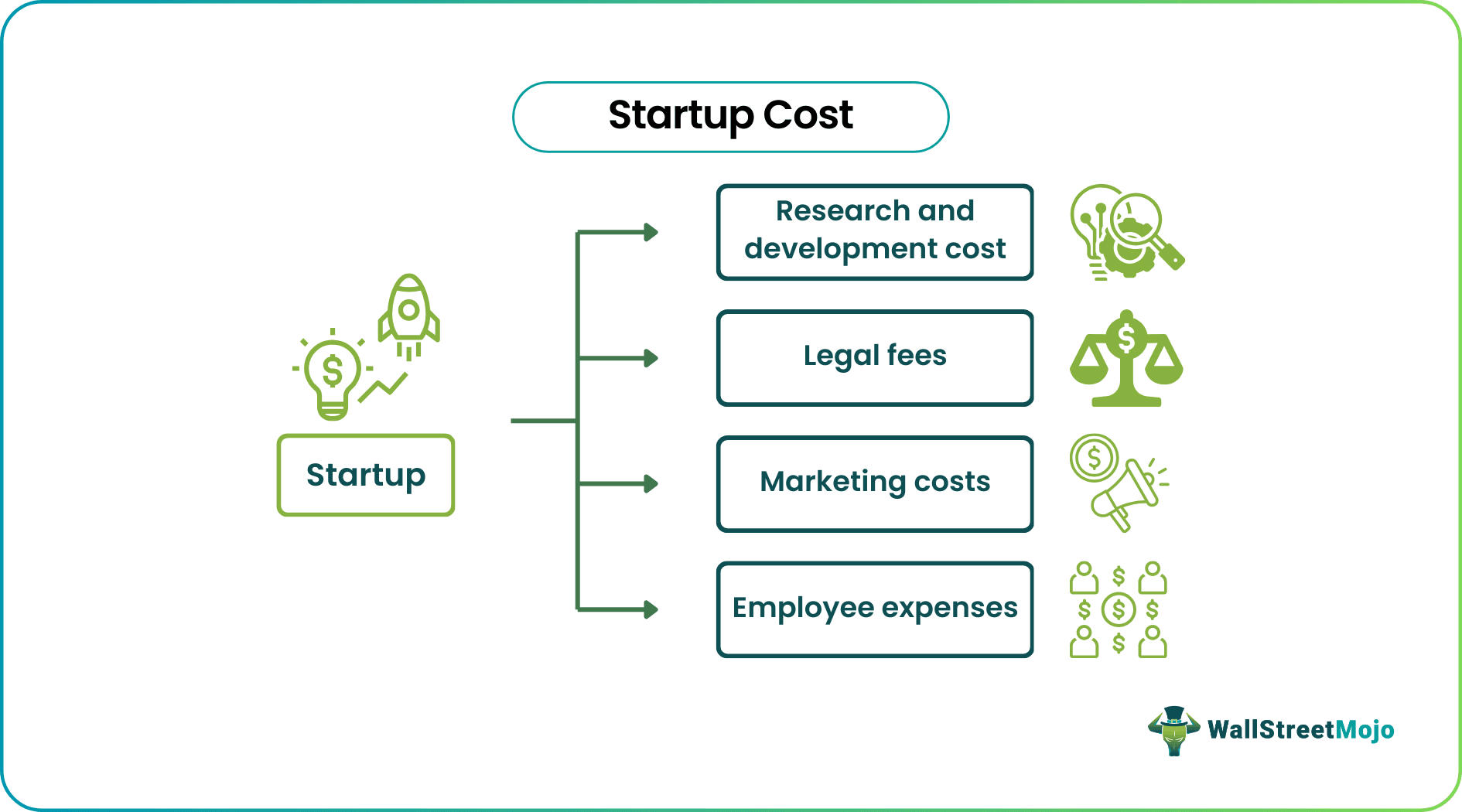
In conclusion, navigating the startup costs for foreign entrepreneurs in the UK requires a thorough understanding of legal, administrative, office space, and hiring expenses. By comprehensively grasping these financial aspects, foreign entrepreneurs can better prepare and strategically plan for a successful business establishment in the UK.
Quick FAQs
What are the typical legal and administrative costs for foreign entrepreneurs setting up a business in the UK?
Legal and administrative costs can vary but generally include fees for registration, permits, and legal consultation services. It’s essential to budget for these expenses to ensure compliance with UK regulations.
What options are available for office space for foreign entrepreneurs in the UK?
Foreign entrepreneurs can choose from renting traditional office spaces, utilizing co-working spaces, or even setting up virtual offices to reduce costs and increase flexibility.
How can foreign entrepreneurs effectively manage hiring and manpower costs in the UK?
Foreign entrepreneurs can optimize hiring costs by carefully planning recruitment processes, offering competitive salary and benefits packages, and exploring outsourcing options to maximize efficiency.